Mold Removal
Safe removal of visible mold growth from affected materials, with containment and proper disposal to keep spores from spreading.
Serving Columbus & surrounding areas
24/7 Emergency Response
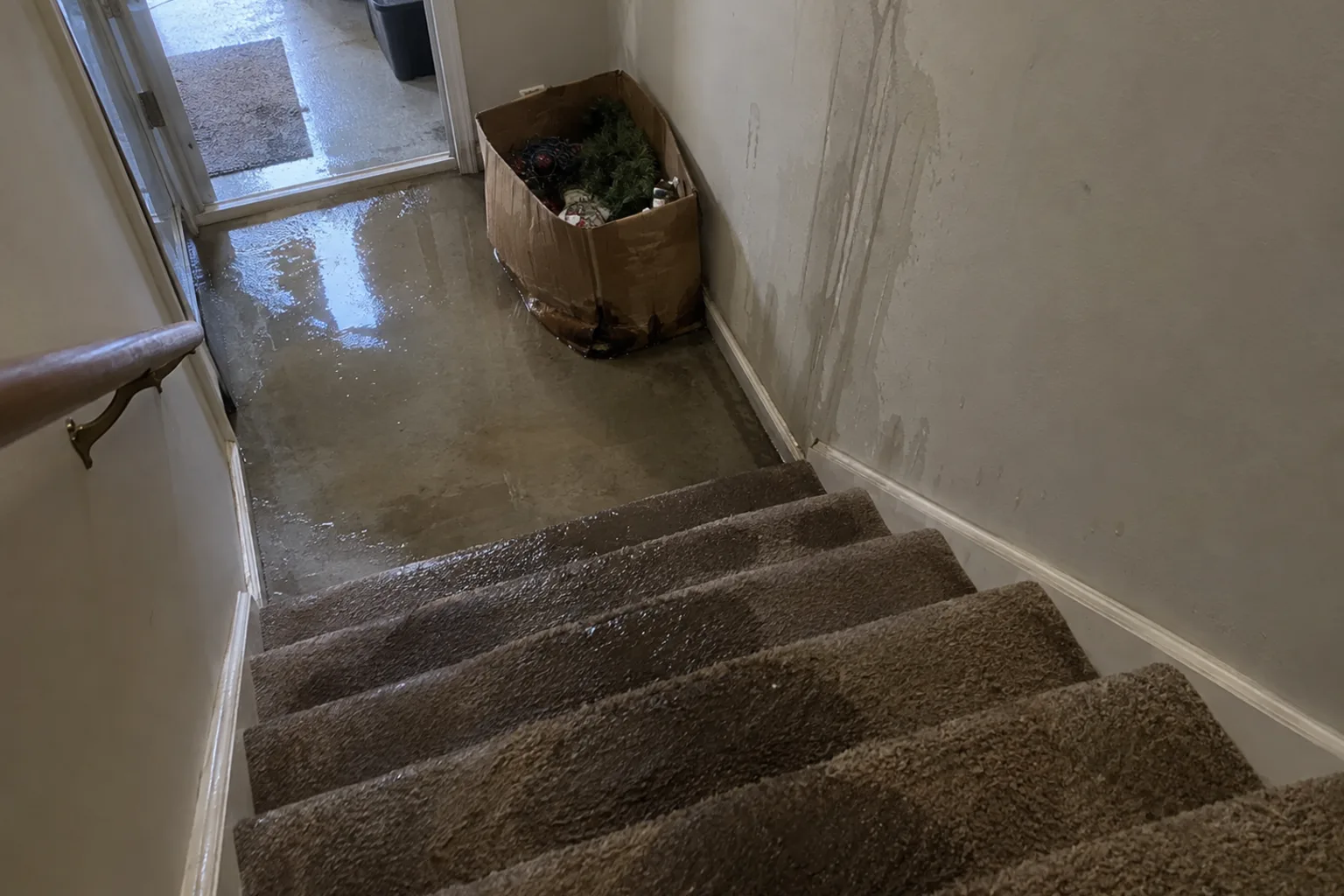
Columbus water cleanup and restoration
Fast response for leaks, floods, and burst pipes. We dry the structure, document what happened, and give you a clear plan to protect your home and get life back to normal.
Immediate priorities
When water gets into flooring, drywall, or insulation, time matters. Columbus Water Damage focuses on water damage Columbus Ohio response that starts with stopping the spread, removing standing water, and drying the structure the right way.
You will get a straightforward assessment of what is wet, what can be saved, and what needs to be removed. We use moisture meters and targeted drying—air movers and dehumidifiers—to drive water out of framing, subfloors, and wall cavities. If the source is still active, we coordinate the next step so drying is not fighting a live leak.
Common calls include supply line breaks, water heater failures, sump pump issues, dishwasher or washer overflows, and storms that push water where it does not belong. The goal is always to stabilize the space quickly so you avoid long-term moisture problems and unnecessary downtime.
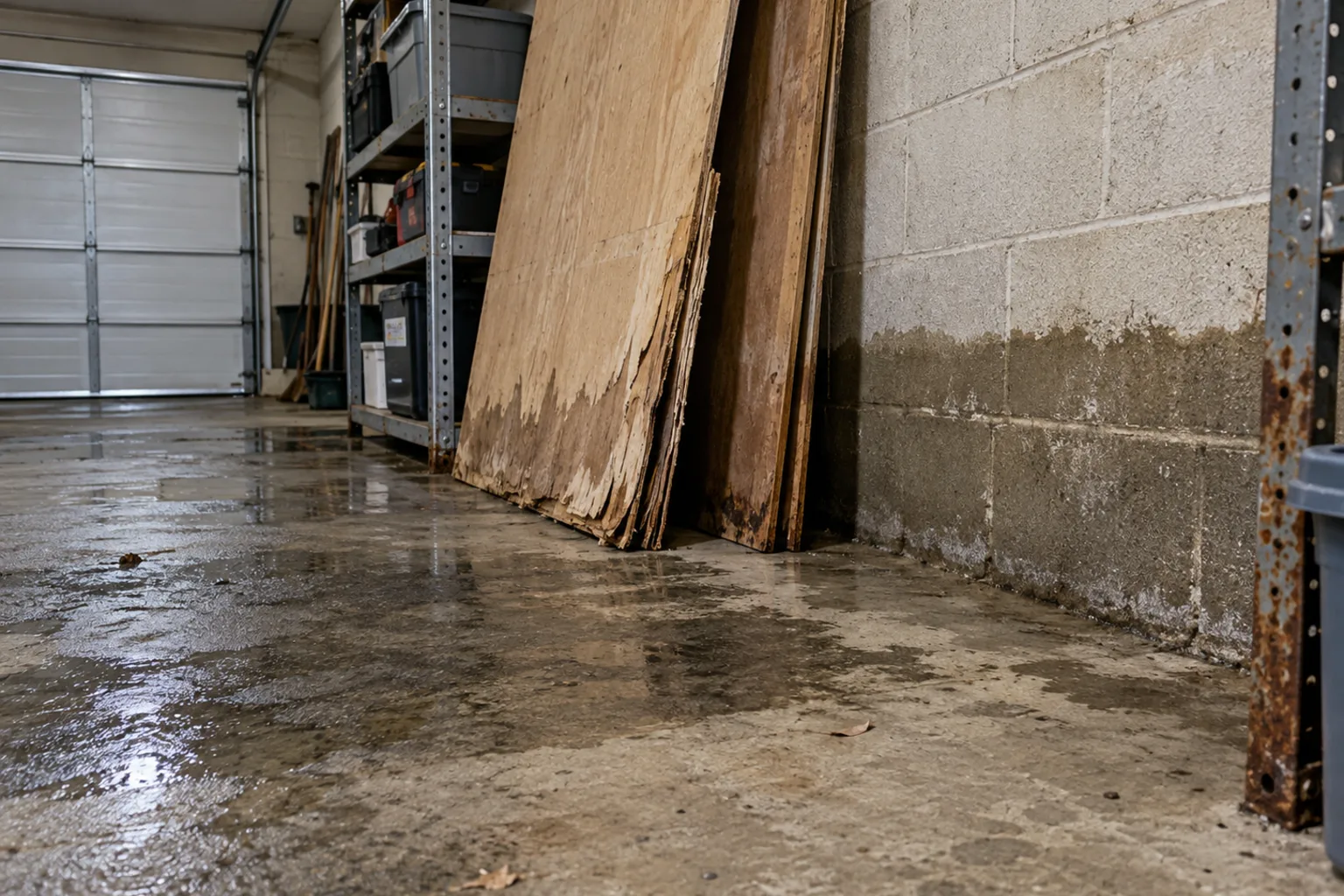
Specialized restoration
For a complete dry-out after a leak or flood, learn what our water damage restoration service includes. When damaged drywall, flooring, ceilings, or trim need rebuilding, review our approach to water damage repair.
For moisture-related growth, we can connect you with help for targeted mold removal, source-focused mold remediation, or inspection-led mold testing.
Safe removal of visible mold growth from affected materials, with containment and proper disposal to keep spores from spreading.
Source-focused remediation that addresses moisture, cleans impacted areas, and helps prevent mold from returning after the cleanup.
Targeted testing to confirm whether mold is present and to identify where moisture may be driving growth in the home.
Full restoration workflow after water loss, from drying and demolition through rebuild coordination so the space is livable again.
Repairs after a water event, such as replacing drywall, trim, flooring sections, and other damaged finishes once the structure is dry.
Included service
We identify where water traveled, including hidden areas, and explain the exact drying and removal plan before major work starts.
Air movers and dehumidifiers are sized to the loss so drying is fast and controlled, not guesswork with fans.
If wet drywall, insulation, or flooring cannot be saved, we remove only what is necessary to expose and dry the structure.
Photos and notes from the job help you track progress and support an insurance claim when applicable.
Containment, tidy staging, and daily check-ins help keep dust, noise, and disruption to a minimum.
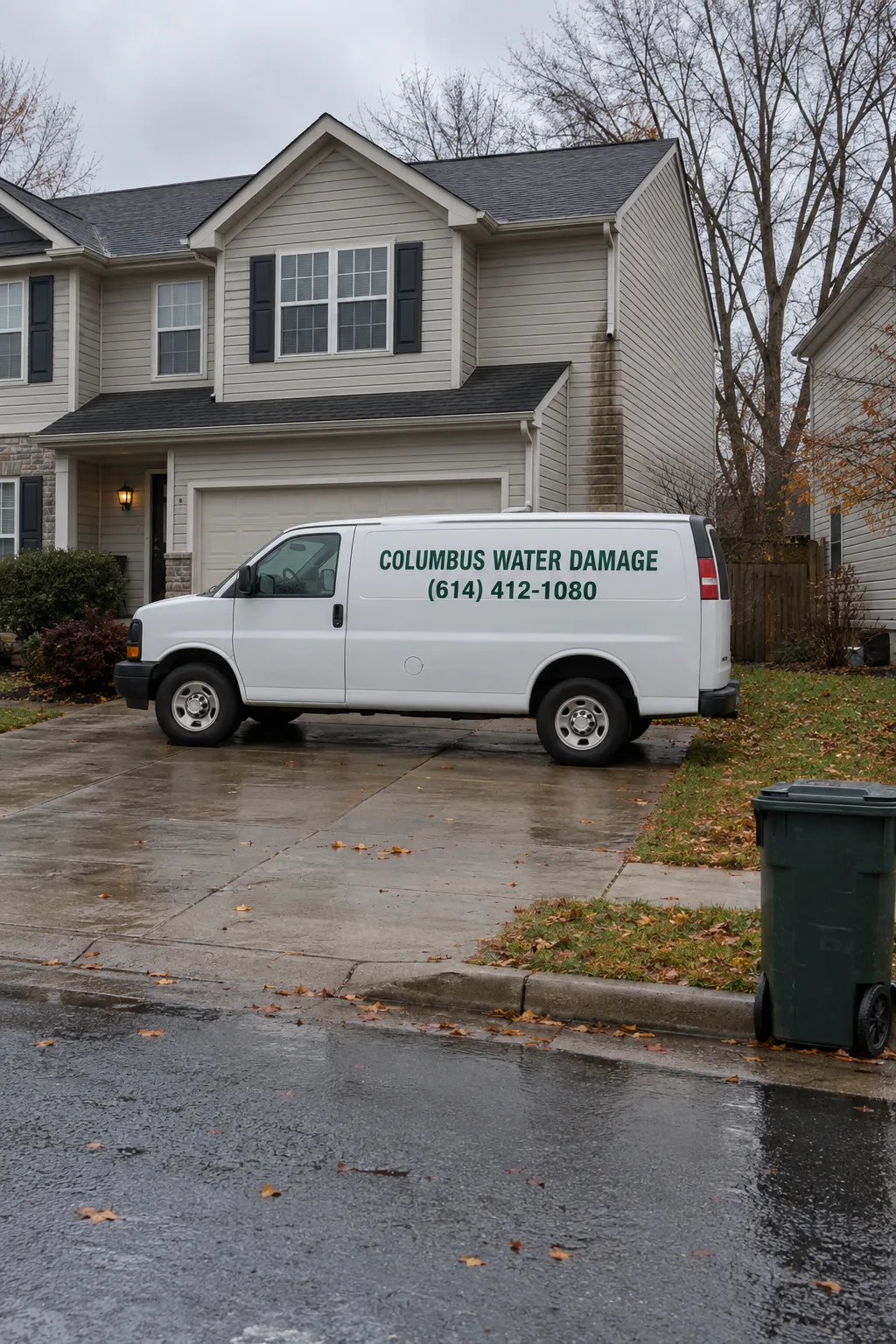
Columbus-based crew
Columbus Water Damage is a Columbus-based team built around one priority: responding fast and doing the drying correctly. Water damage is stressful because it changes by the hour. A wet corner can become soaked framing, swollen trim, and damaged flooring if it is not stabilized quickly.
We focus on practical decisions that protect the structure. That means verifying moisture with instruments, setting equipment with a plan, and checking progress until materials are back to an appropriate dry standard. You will always know what we are doing in your home and why.
If you are dealing with a common Columbus loss, such as an upstairs bath overflow reaching the ceiling below or basement seepage soaking carpet and baseboards, we can contain the problem and guide the next steps so repairs are based on what is actually dry.
Typical project range
Water damage cleanup in Columbus typically ranges from about $900 to $6,500+, depending on how far water traveled and what materials are affected. A small, contained leak with limited extraction and drying is usually on the lower end, while multi-room losses, ceiling leaks, or basement saturation with demolition and extended drying can push higher.
Final pricing changes with the category of water, how long it sat, the amount of demolition required, equipment run time, and access to wet cavities. The exact cost is confirmed after an on-site inspection and moisture readings.
Restoration process
We look for hazards such as electric, slip risks, and contaminated water, then take immediate steps to keep water from migrating into new areas.
Standing water is removed first. If materials are too wet or contaminated to save, we remove them to expose the structure for drying.
We set drying equipment based on readings, then re-check moisture and adjust placement until the structure is drying properly.
We document dry standards and outline what repairs are next so rebuild decisions match the real condition of the space.
If you see wet drywall, bubbling paint, cupped flooring, or a musty odor after a leak, get a moisture check before you start repairs or paint over the problem.
Call for Emergency HelpServing Central Ohio
We work across Columbus, OH, focusing on neighborhoods where home age, basements, and multi-story layouts can make hidden moisture more likely after a leak.
Homeowner experiences
“We had a supply line leak that soaked the kitchen floor overnight. They showed up quickly, mapped the moisture, and explained what had to come out versus what could dry. The updates were clear the whole time.”
“Our basement carpet was wet after heavy rain and we were worried it would turn into a bigger problem. The drying setup was professional and they kept checking readings until it was actually dry.”
“The best part was the documentation. Photos and notes made it easy to understand what happened and what repairs came next.”
Common questions
Response time depends on current job volume, but urgent water losses are prioritized because the first few hours affect how much can be saved. If water is actively spreading, tell us what happened and which rooms are affected so we can prepare the right extraction and drying equipment.
We handle extraction, structural drying, and moisture monitoring as one job so the space is stabilized before repairs. If demolition is needed to reach wet cavities, we explain what we are removing and why before we open walls or ceilings.
Yes, we can provide documentation like photos, notes, and moisture readings that support the scope of work. Coverage decisions are made by your insurer, but clear documentation helps keep the process organized.
Shut off the water source if you can do so safely, and avoid using electrical outlets or walking on wet floors where slipping is possible. If you can, move small items out of the wet area and blot or towel-dry surfaces, but avoid running household fans into wall cavities where they can spread moisture.
Most occupied homes can stay occupied during drying, especially when the affected area is contained and the air is dehumidified. We will let you know if noise, access needs, or the type of water involved makes temporary relocation the safer choice.
We verify drying with moisture readings on the materials that were affected, not by feel or appearance. Drying is complete when readings show the structure has returned to an appropriate dry level for the material type and location.
Planning tool
Mould needs moisture, time and something to feed on. Columbus summers are humid enough that damp materials can start growing within a couple of days. Answer three questions to see where your situation sits.
Mould risk
Low risk
Caught early. Dry it thoroughly within the next day and mould is unlikely to establish.
What matters most: the first 48 hours. Mould needs moisture to establish, so removing the water and drying the structure quickly is what prevents it, not treating it afterwards.
This is a guide, not an inspection. It estimates general risk from the answers given. It cannot tell you whether mould is present, what type it is, or whether it affects health. Only testing and a physical inspection can do that. If you are worried, call us.
Emergency water cleanup
Tell us what happened and what areas are wet. We will schedule an inspection, map moisture, and outline the steps to dry the structure and prevent additional damage.