Containment that prevents cross-contamination
We isolate the work area with plastic sheeting and controlled access so spores and dust stay where the work is happening, not in your living space.
Serving Columbus & surrounding areas
24/7 Emergency Response
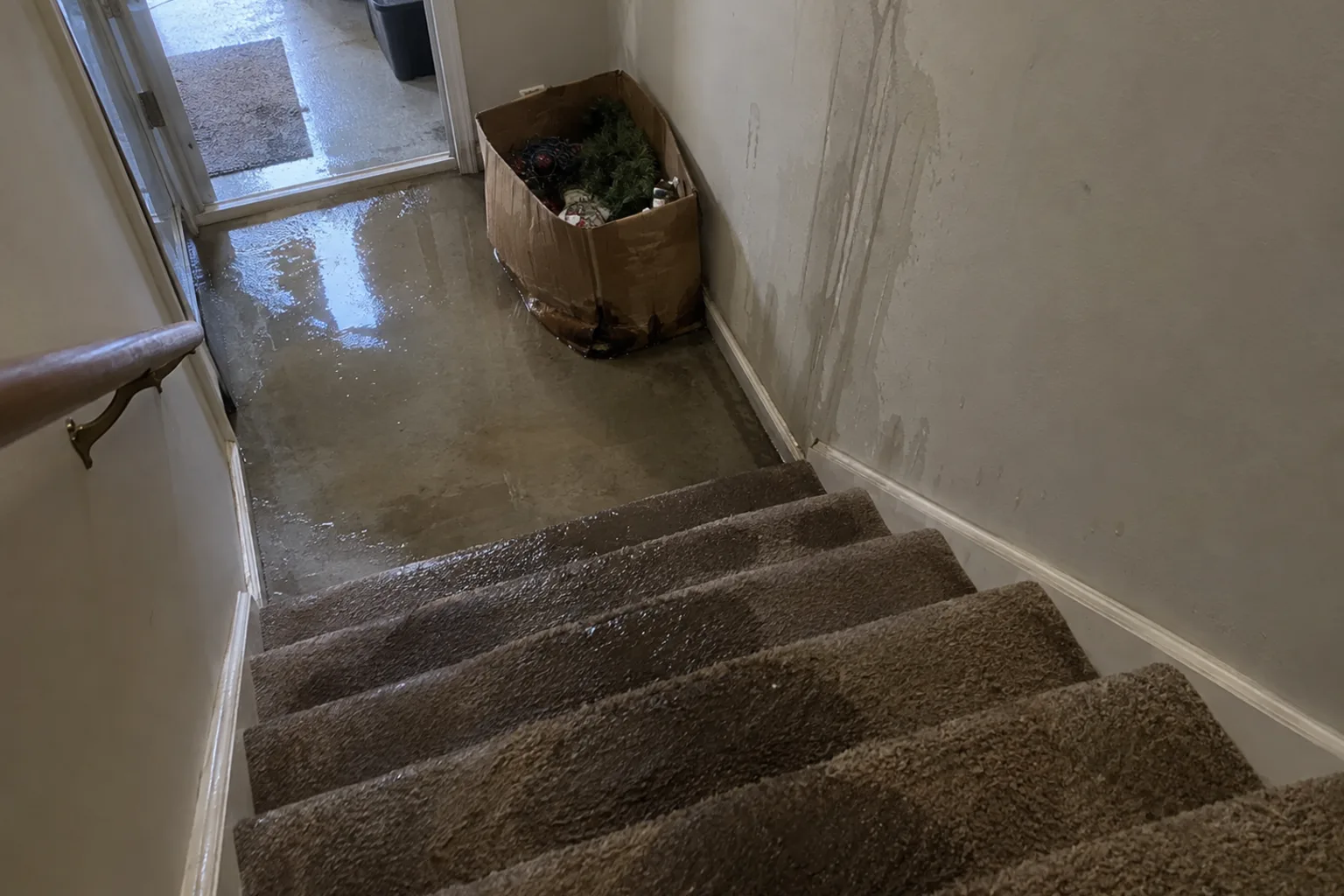
Mold remediation in Columbus, Ohio
Get a clear plan to stop mold at the source, remove it safely, and restore indoor air quality with minimal disruption to your home.
Immediate priorities
If you are searching for mold remediation Columbus homeowners can trust, the most important thing to know is this: mold keeps coming back if the moisture source is not controlled. Good remediation is part investigation, part controlled demolition when needed, and part careful cleaning.
In Columbus, mold shows up often after a roof leak, plumbing leak, wet basement episode, or chronic humidity in enclosed spaces like crawl spaces and finished lower levels. You might notice a musty odor, staining on drywall or framing, allergy-like irritation, or bubbling paint. Sometimes it is discovered during a real estate transaction or after a tenant reports odor.
Learn more about our Columbus water damage referral service on the Columbus Water Damage home page. Columbus Water Damage handles mold remediation with a work plan that focuses on containment, filtration, safe removal, and verification. The goal is simple: remove affected materials that cannot be cleaned, clean and HEPA-vacuum the rest, correct the conditions that allowed mold growth, and leave the area dry and ready for rebuild.
When you reach out, expect straightforward questions: where you see or smell it, how long moisture may have been present, and whether the area is occupied. That lets us set the right level of containment and choose the safest path forward.
Included remediation work
We isolate the work area with plastic sheeting and controlled access so spores and dust stay where the work is happening, not in your living space.
HEPA air scrubbers and HEPA vacuums capture fine particles while we clean framing, masonry, and other salvageable surfaces with appropriate antimicrobial methods.
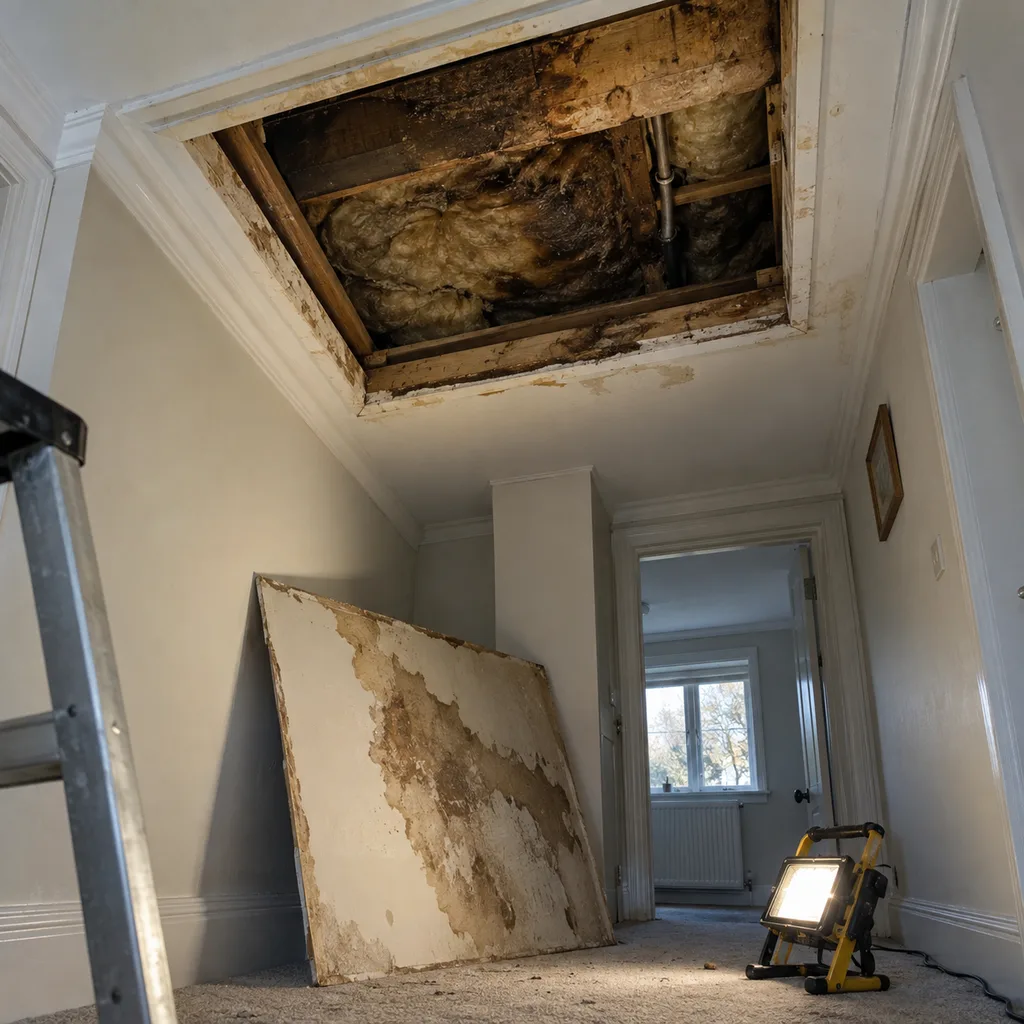
Porous materials like moldy drywall, insulation, and carpet pad usually need to be removed to fully resolve the problem.
We identify likely moisture sources and confirm conditions are dry enough to prevent regrowth before the area is closed back up.
You receive a written scope so you can make informed choices, coordinate with property management, or share details during a sale.
Controlled work in occupied homes
A good mold remediation job is organized and methodical, especially when the affected area is near bedrooms, kitchens, or HVAC returns.
First, we inspect the area to understand what is actually affected. Visible growth tells only part of the story. We look for water staining, soft drywall, elevated humidity, and hidden migration paths behind baseboards, under flooring edges, inside cabinets, or around plumbing penetrations.
Next comes containment and air control. For many jobs, that means sealing doorways and openings with poly sheeting and running a HEPA air scrubber. When the situation calls for it, negative pressure helps keep air moving into the work zone instead of out into the home.
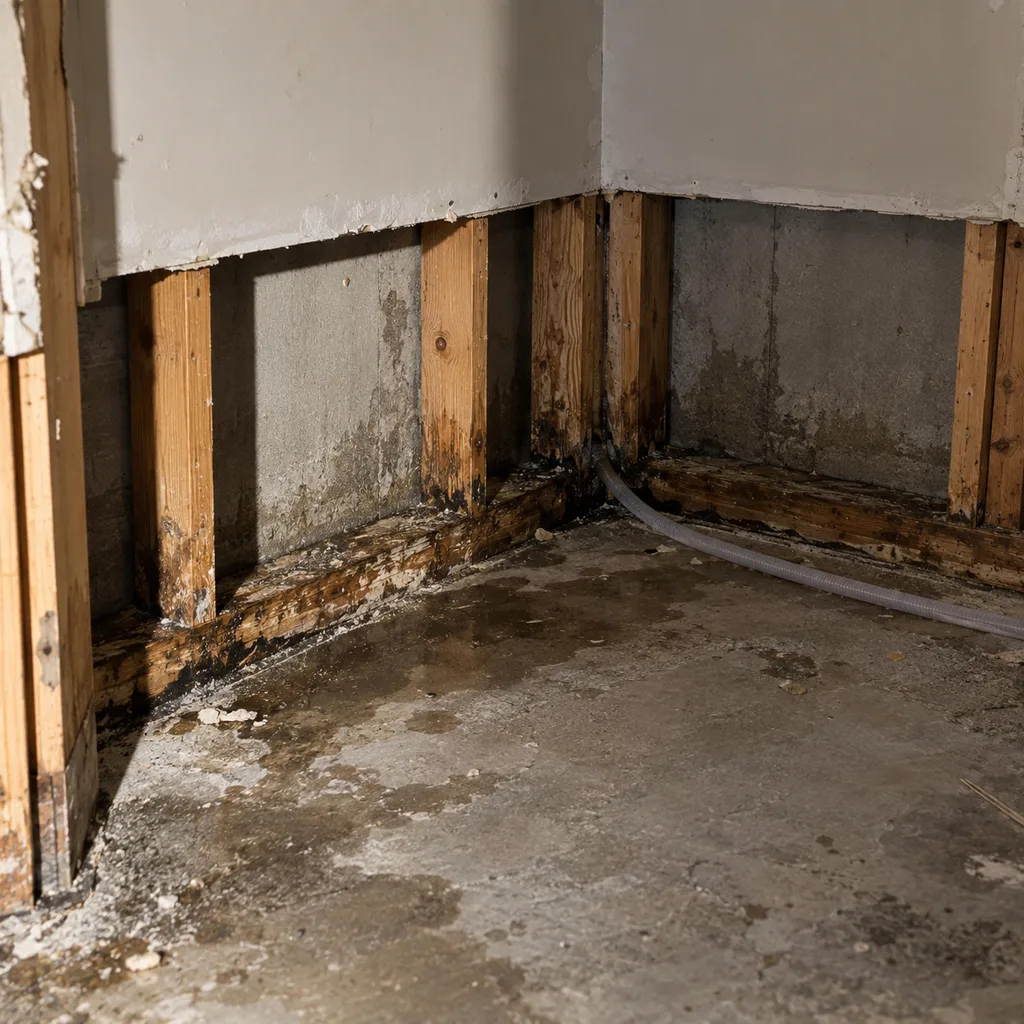
Then we remove contaminated porous materials and clean remaining surfaces. Wood framing can often be cleaned and HEPA-vacuumed after careful scraping and treatment. Concrete and masonry may need abrasive cleaning to remove surface growth. We bag and dispose of debris in a controlled way.
Finally, we focus on dry-out and prevention. Mold needs moisture. If the basement stays damp, if a bathroom fan is undersized, or if an ongoing leak exists, remediation alone is not a permanent fix. We confirm the area is dry and outline next steps for repairs so the space can be rebuilt with confidence.
Restoration process
We identify affected materials, likely moisture sources, and the right containment level. You get a written scope before work starts.
We protect adjacent rooms, set up HEPA air filtration, and establish safe entry and exit to keep dust and spores controlled.
Porous materials that cannot be cleaned are removed. Remaining surfaces are HEPA-vacuumed and cleaned with appropriate methods for the substrate.
We verify conditions are dry enough to prevent regrowth and outline what needs to change—repair, ventilation, or dehumidification—to keep it that way.
We review the work area with you and explain what was removed, what was cleaned, and what the rebuild plan should address.
Typical project range
Mold remediation in Columbus typically ranges from about $900 to $3,500 for smaller, contained areas, while larger or multi-room projects with significant demolition can run $4,000 to $10,000+. A small bathroom or closet is usually on the low end; a basement with removed drywall and insulation is usually higher.
Final cost depends on the size of the affected area, how much porous material must be removed, whether containment and negative air are needed, access—tight crawl spaces take longer—and whether drying or dehumidification is required. The exact price is confirmed after an on-site inspection and written scope.
Serving Central Ohio
Mold remediation Columbus OH work often starts in the places that stay damp or do not dry quickly.
In Clintonville and Old North Columbus, older homes can have basements and utility areas where humidity stays elevated and small seepage events go unnoticed until odors develop. In German Village and Merion Village, tight building envelopes and older plumbing chases can hide slow leaks behind plaster or inside cabinet runs. In Grandview Heights, finished basements and busy households can mean moisture events are discovered late because the space is used daily.
Seasonally, Columbus tends to swing between humid summer air and colder months when condensation can form on cooler surfaces. That matters in basements, on exterior foundation walls, around supply lines, and near window frames. If you have recurring condensation, a dehumidification and ventilation plan is often as important as cleaning.
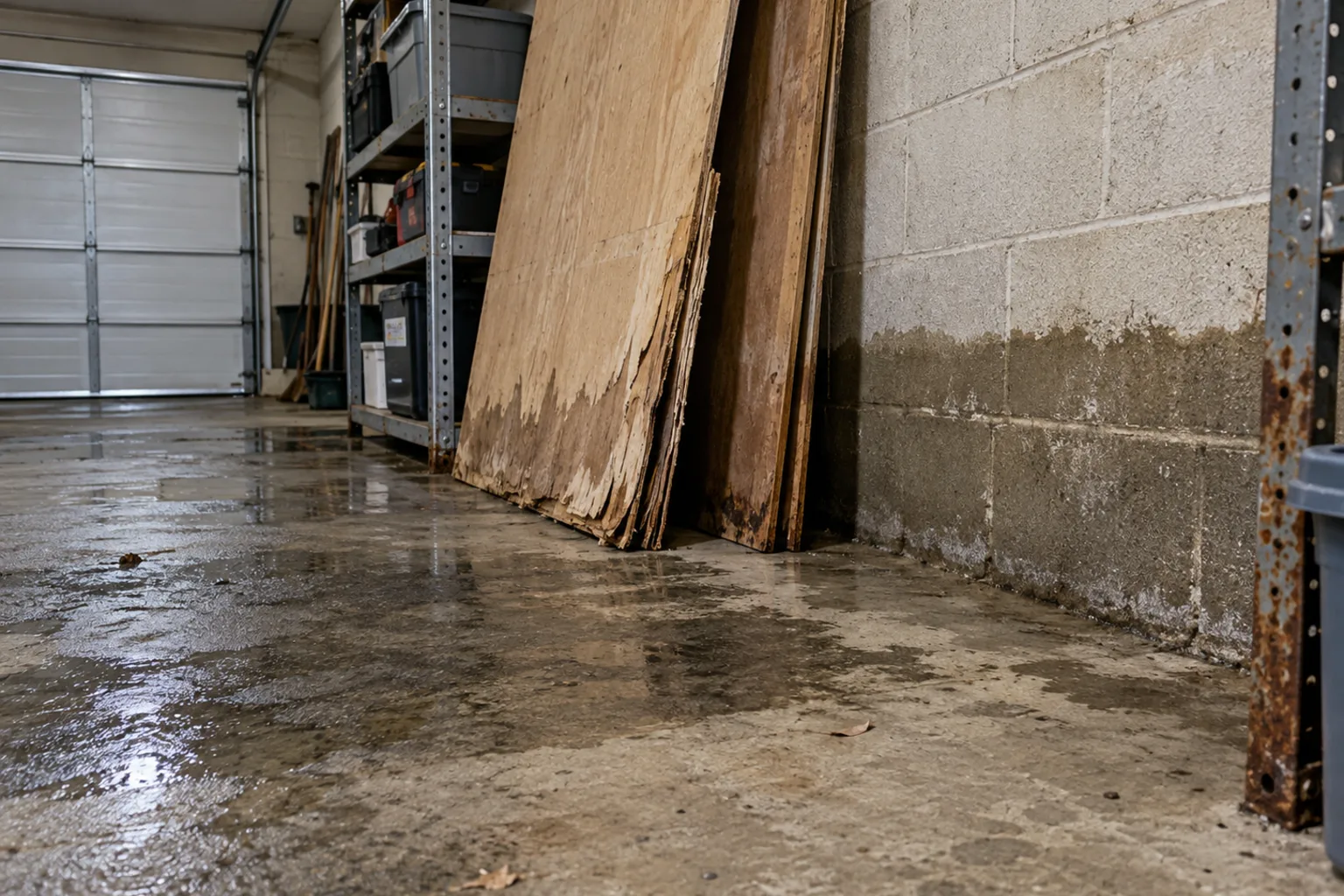
If you are dealing with mold after a leak or flooding, the timeline matters. Materials like drywall and insulation can hold moisture even when surfaces look dry, and hidden dampness is where mold gets established. Initial drying and moisture control are often the first steps before remediation and rebuilding decisions are made.
Contained field work
Common questions
Yes, many mold remediation Columbus Ohio projects can be completed while the home is occupied, as long as proper containment and HEPA filtration are used and the work area can be isolated. We will discuss who should avoid the work zone, how we protect HVAC returns nearby, and whether any rooms need temporary limited access during removal and cleaning.
Most smaller jobs take 1 to 2 days of on-site work, while larger basement or multi-room projects often take several days, especially when drywall and insulation removal is involved. The biggest variable is how much material must be removed and how quickly the area can be dried to stable conditions before closing walls back up.
If testing is needed for a specific reason—real estate documentation, medical concerns, or a dispute—sampling can be coordinated, but remediation decisions are typically based on the extent of contamination and the moisture conditions, not the species name. The practical fix is the same: contain, remove what cannot be cleaned, HEPA-clean, and solve the moisture source.
Bleach can lighten surface staining but it does not reliably resolve mold growth in porous materials like drywall and wood. Effective remediation usually requires physical removal of affected porous materials and HEPA cleaning of remaining surfaces, followed by drying and moisture control so growth does not return.
Mold returns when moisture returns. Common culprits include an unaddressed leak, recurring basement seepage, high indoor humidity, poor ventilation in bathrooms or laundry areas, or wet materials being covered before they are dry. A good plan includes confirming dry conditions and addressing the cause, not only cleaning the visible growth.
Yes. For mold remediation Columbus OH rentals, we focus on clear documentation, containment suited to occupied units, and a scope that coordinates cleanout, drying, and the steps needed for safe re-occupancy. If tenants are present, we also plan entry, scheduling, and isolation so the job stays controlled.
Mold inspection and remediation
Tell us what you are seeing and where it is happening. We will inspect the area, explain what needs to be removed versus cleaned, and outline the moisture fix that prevents recurrence.