Drywall and ceiling restoration
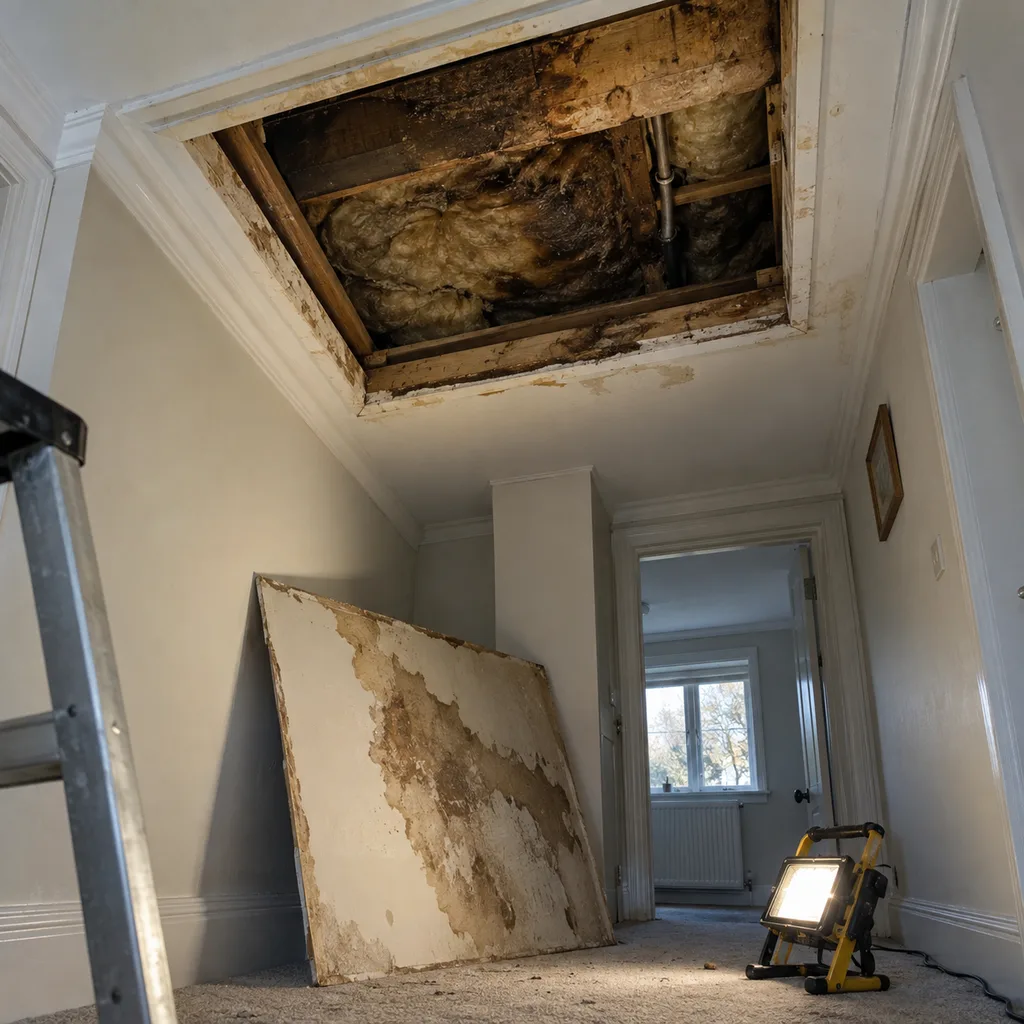
We remove compromised drywall, address wet insulation when present, and rebuild with proper seams and texture so the repair blends instead of telegraphing through paint.
Serving Columbus & surrounding areas
24/7 Emergency Response
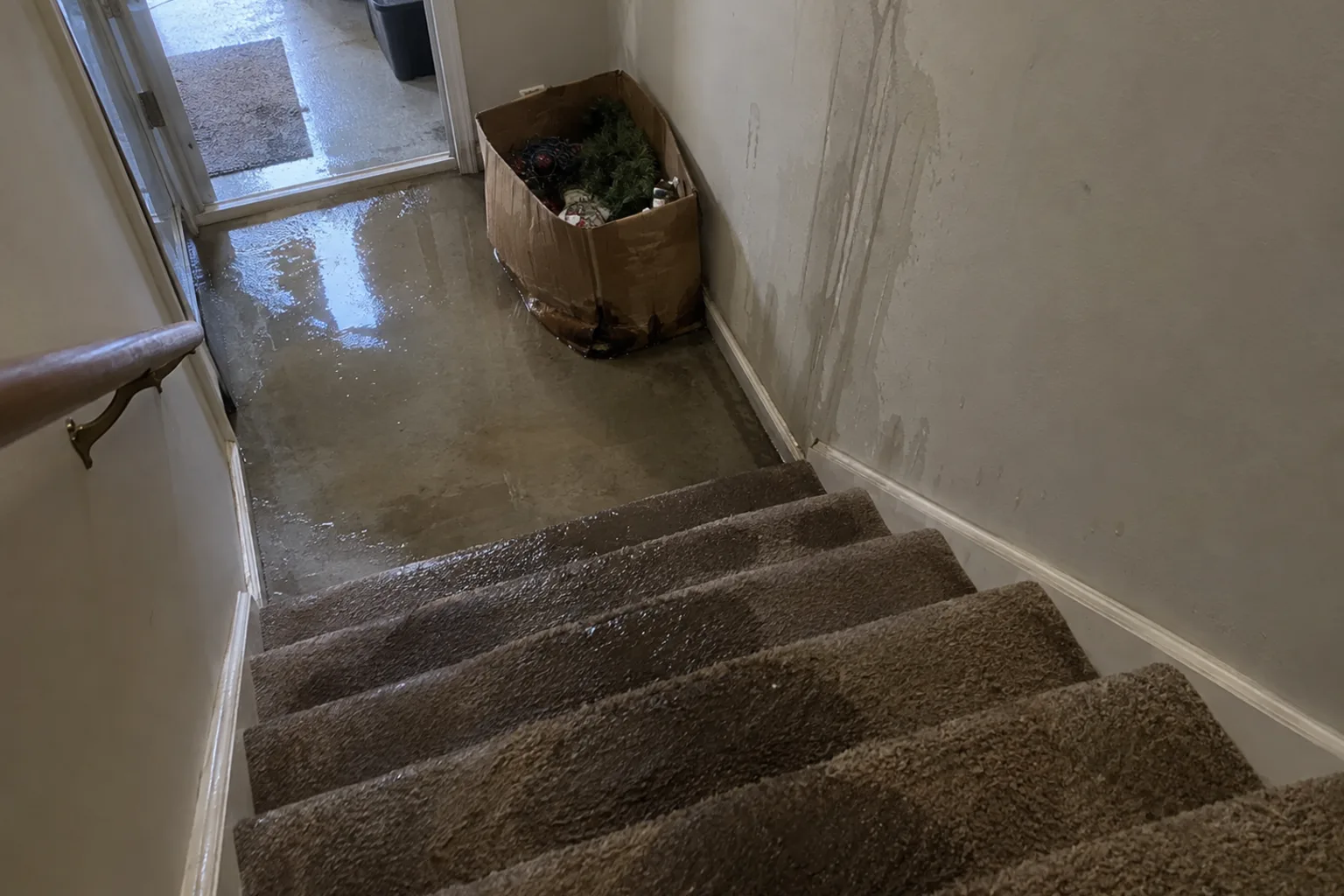
Water damage repair in Columbus, Ohio
If water got into drywall, flooring, or a ceiling, the next steps matter. We inspect, document what's wet, dry it the right way, and repair the damaged materials so your home is safe to live in again.
Immediate priorities
Learn more about our Columbus water damage referral service on the Columbus Water Damage home page. When you search for water damage repair Columbus OH, you usually need two things fast: a clear diagnosis—where the water came from and where it traveled—and a repair plan that keeps problems from returning.
Columbus Water Damage handles the repair work that comes after the water event, including removal of damaged materials, drying coordination, and rebuilding finishes. In older parts of Columbus, water often migrates in ways that aren't obvious at first. It can wick behind baseboards, move through plaster cracks, or collect under floating floors. A surface-level patch may look fine for a week and then fail when trapped moisture shows up as bubbling paint, warped trim, or odor.
We approach Columbus water damage repair like a trade problem, not a paint problem. The goal is to restore the building materials and indoor environment, not hide staining. That means checking moisture levels, opening up where needed, using drying equipment when appropriate, and then repairing the structure and finishes to match the surrounding area.
Included restoration work
We remove compromised drywall, address wet insulation when present, and rebuild with proper seams and texture so the repair blends instead of telegraphing through paint.
From swollen laminate edges to cupped hardwood and soft subfloor areas, we identify what can be saved and what must be replaced, then rebuild for a stable, flat finish.
Wet baseboards and toe-kicks often trap water. We remove and replace affected trim and adjust cabinet components when they've absorbed moisture or delaminated.
When moisture is in wall cavities or framing, selective demolition and drying protect the repair. We use moisture readings to confirm materials are ready before closing walls.
If conditions indicate elevated risk, we address affected building materials and help you correct the moisture pathway so the same area doesn't stay damp after the repair.
Water staining and odor are symptoms. We focus on the wet materials and the source first, then handle stain sealing and finish restoration as the last step.
Local building conditions
Water damage behaves differently depending on how the home was built and how the space is used. In Columbus, we see a few recurring patterns that change the scope of repair.
Homes with basements and finished lower levels: Even a small plumbing leak can run along sill plates, behind paneling, or under carpet padding. Near the Scioto or Olentangy corridors, heavy rain events can also mean water enters at the foundation line and spreads across finished flooring quickly.
Older housing stock: In areas like German Village and Victorian Village, repairs may involve plaster walls, older trim profiles, and layered flooring. Matching materials and avoiding cracking at transitions takes more time than a standard drywall patch.
Mixed-use neighborhoods: In Short North and Downtown condos, the repair plan often includes careful moisture mapping to limit unnecessary demolition and keep work contained. Shared walls and stacked units also make documentation and coordination important when water originates above or travels into another unit.
Wherever you are in Columbus, the most reliable repairs start with two questions: what got wet, and what is still wet today? Once we can answer those clearly, the repair plan gets simpler and the results hold up.
Restoration process
We examine visible damage and check adjacent materials with moisture meters. You get a clear scope that separates drying-related work from rebuild work, so you know what's being repaired and why.
Repairs only last if the water problem is solved. If the source is active—such as a supply line, drain, or appliance—we confirm it's addressed before we start closing anything back up.
We remove materials that can't be dried or that will fail later, such as swollen drywall, delaminated cabinetry components, or saturated insulation. Containment is used when needed to keep dust controlled.
We set drying equipment when conditions call for it, then verify dryness with readings before rebuild. Closing a wall while it's still wet is how repairs turn into callbacks.
We replace drywall, trim, flooring sections, and other affected components, then handle texture and finish work so the repaired area matches the surrounding room as closely as practical.
Typical project range
Water damage repair in Columbus typically ranges from about $500 to $3,500 for small, contained damage, such as a section of drywall and baseboard. Larger losses involving multiple rooms, flooring replacement, or significant drywall removal often run $4,000 to $15,000+.
Your final price depends on what materials are affected, how far the water traveled—including hidden moisture—access, drying needs, and how much finish matching is required. The exact cost is confirmed after an on-site inspection and moisture assessment.
Homeowner experiences
“Our kitchen supply line leaked overnight and we thought it was just the cabinet base. They found wet drywall behind the toe-kick and moisture under the flooring. The repair held up, and the finished area actually matches the rest of the room.”
“We had water come through the ceiling from the unit above. The scope was clear, the work area stayed contained, and the ceiling patch blended in after paint. The communication was the best part.”
Start with clear findings
If you're deciding whether a wet area needs to be opened up or can be dried in place, start with a moisture check and a written repair scope. It's the quickest way to avoid paying twice for the same problem.
Common questions
Start inspection and drying steps as soon as the source is stopped because moisture can spread into drywall, insulation, and flooring within hours. In Columbus homes with basements or finished lower levels, water can travel along framing and under floor coverings, so early moisture mapping often reduces the amount of material that has to be removed.
Yes, ceiling repairs are common after plumbing overflows, tub leaks, or an upstairs appliance leak. The right fix usually involves removing compromised drywall, verifying the cavity is dry, and then rebuilding with proper seams and texture so the repaired area doesn't crack or telegraph later.
Water-damaged drywall is repaired only if it is structurally sound and can be dried to an acceptable level; otherwise it should be removed and replaced. If drywall has softened, crumbled, swelled, or stayed wet long enough to support growth, replacement is typically the safer and longer-lasting option.
Some floors can be saved, but it depends on the material, how long it stayed wet, and whether the subfloor is affected. Hardwood may be salvageable with controlled drying if cupping is minor and moisture didn't sit, while laminate and many engineered products often swell at edges and need partial replacement once the core absorbs water.
We can provide documentation that supports an insurance claim, such as photos, moisture readings, and a clear written scope of repair. Coverage depends on your policy and the cause of loss, so we focus on accurately describing what was damaged and what is required to restore it.
We verify dryness with moisture meters and compare readings in affected areas to nearby unaffected materials when possible. Rebuilding before verification is a common reason for recurring staining, odor, and finish failure, especially around baseboards and lower wall sections.
Often yes for small, contained repairs, but it depends on how much demolition is needed and whether there are indoor air concerns. We can explain what will be opened up, what will be contained, and what parts of the home will be impacted so you can make a practical plan for the workdays.
Stop the water source if it's active, shut off power to any wet electrical areas if you can do so safely, and move valuables away from wet floors. If you can, take photos of the damage and avoid running HVAC in a way that blows air across visibly contaminated water; an on-site inspection can confirm the safest next steps.
Water damage inspection and repair
Tell us what happened and where the water showed up. We'll inspect, document the moisture, and give you a clear scope to restore the affected rooms in Columbus.