Basements and lower levels
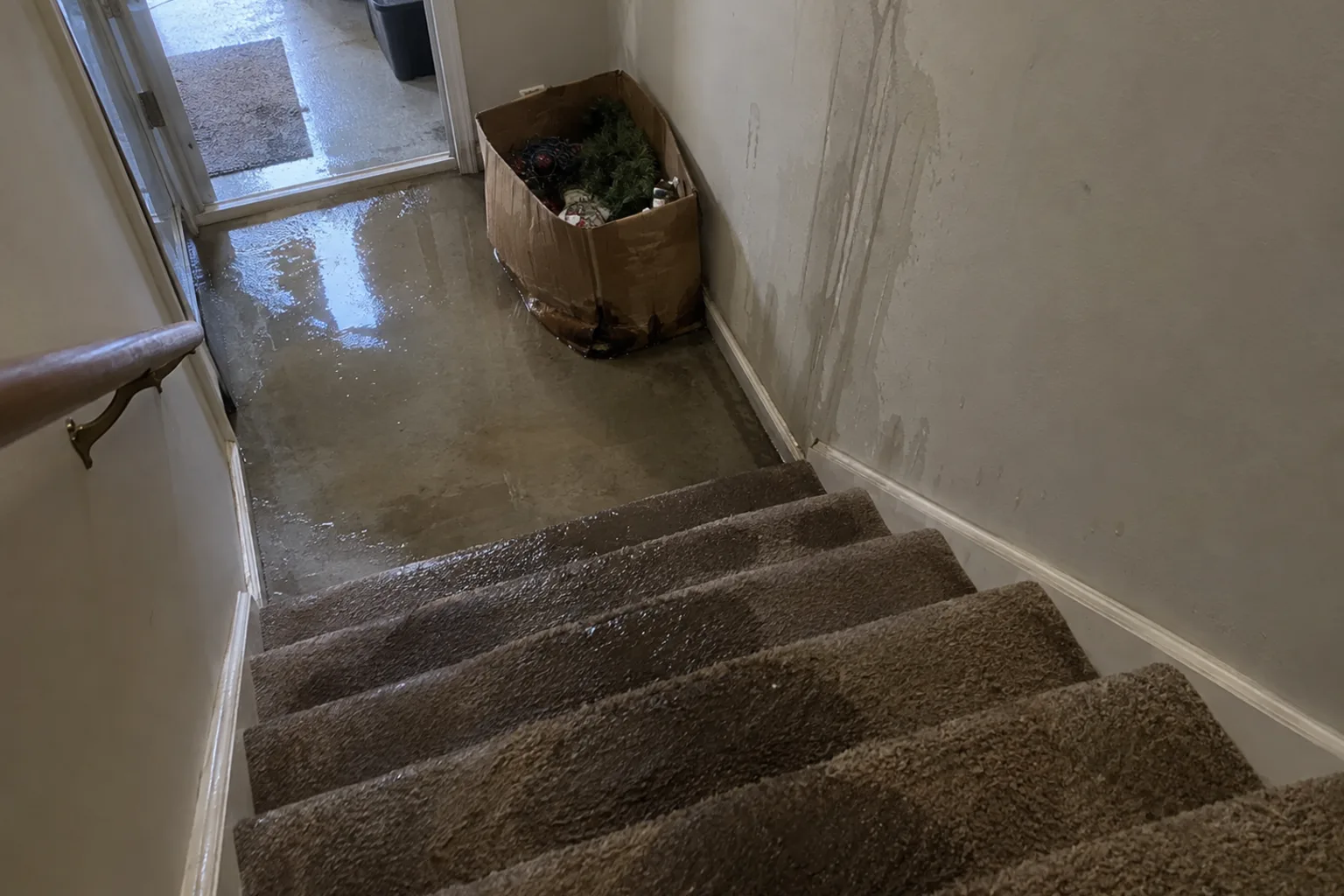
Finished basements can trap moisture behind framing, carpet, and baseboards. Testing helps separate a humidity issue from a past leak that soaked materials.
Serving Columbus & surrounding areas
24/7 Emergency Response
Mold testing in Columbus, Ohio
If you smell something musty, see staining, or had a recent leak, testing tells you what you are dealing with and where it is coming from so you can make the right next move.
When testing helps
Learn more about our Columbus water damage referral service on the Columbus Water Damage home page. Searching for mold testing Columbus Ohio usually starts with one of three triggers: a persistent earthy odor, a past water event that never fully dried, or a health concern where you want facts before you spend money on cleanup. Mold testing is most useful when you need to confirm whether mold is present, identify likely indoor sources, or document conditions for a landlord, buyer, or insurer.
Testing is especially helpful when:
Columbus homes see big humidity swings across the year, and basements are common in many areas. Those two facts can make hidden growth more likely in places like rim joists, behind baseboards, under carpet padding, and inside wall cavities after a leak. The goal of testing is not to create panic. It is to replace guesses with measurable data and a clear scope.
Inspection and sampling
A useful mold test starts with inspection, not the lab. Our approach is to look for the moisture pathway first, then collect samples that actually answer your question.
Typical inspection and sampling steps include:
If you are dealing with a recent loss and need the full picture, we can align testing with a documented plan for water damage restoration so you are not collecting samples while materials are still actively drying or being disturbed. That timing matters because it can skew results and lead to the wrong scope.
Likely problem areas
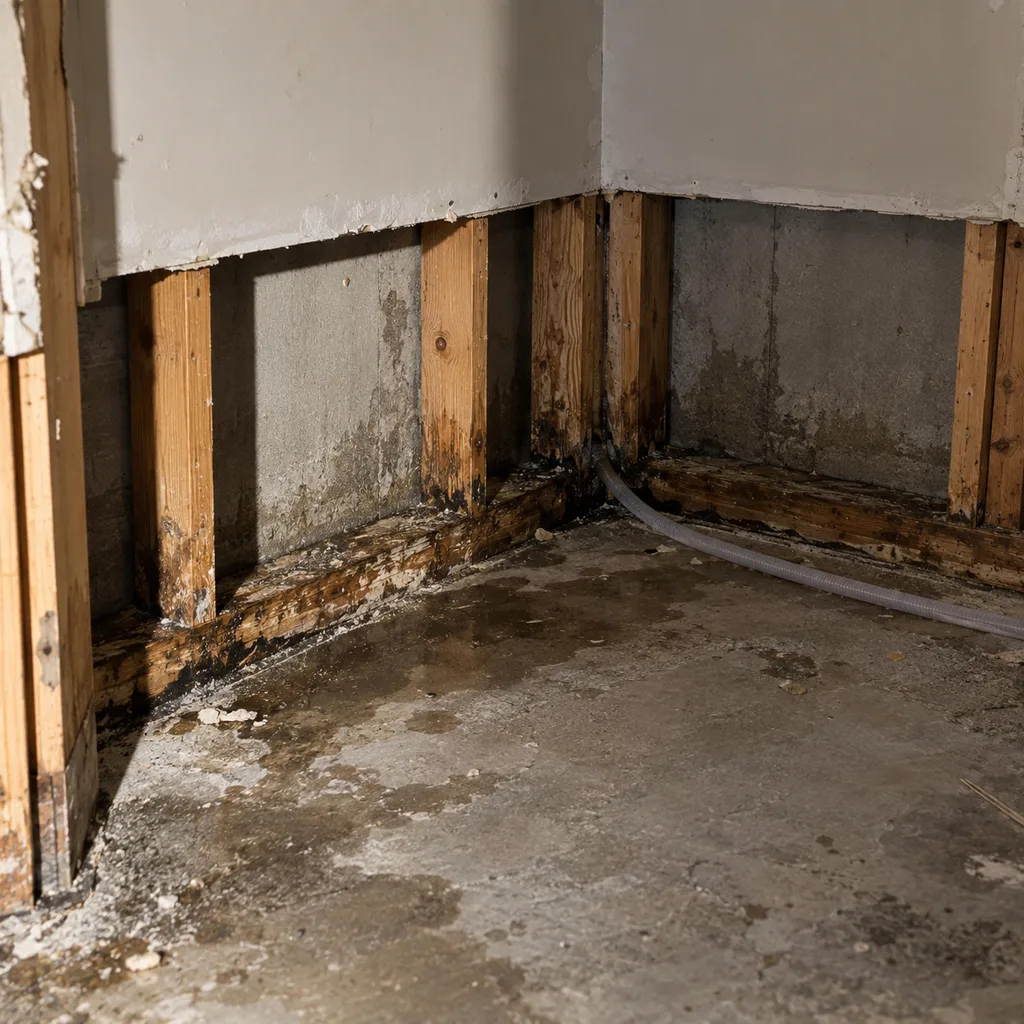
Finished basements can trap moisture behind framing, carpet, and baseboards. Testing helps separate a humidity issue from a past leak that soaked materials.
High moisture and poor ventilation can feed growth on drywall paper, behind vanities, and above showers. Sampling can confirm whether visible spots are mold or something else.
Small roof leaks or condensation near vents can wet sheathing and insulation. An inspection plus a targeted surface sample often answers the question quickly.
Ductwork and returns can move odors and spores between rooms. Comparing samples room-to-room helps pinpoint whether there is an indoor source.
Slow leaks at supply lines and drains are easy to miss until cabinets swell or odors start. Testing is useful when damage is hidden but suspected.
Testing process
We start by clarifying what you want answered: confirm mold vs. staining, locate a suspected source, document conditions for a transaction, or verify after cleanup.
We look for where water is entering or lingering. Without solving the moisture driver, any cleanup is likely to fail.
We choose sample types and locations that make the results meaningful. Air samples are taken with controlled flow, and surfaces are sampled where appropriate.
Samples go to a qualified lab for analysis. You receive results with clear labels and comparisons so you can understand what is elevated and where.
We translate the findings into a practical plan: moisture corrections, containment considerations, and what scope, if any, makes sense next.
Typical testing range
Mold testing in Columbus typically ranges from about $250 to $650 for a straightforward inspection with 2 to 3 samples, while larger homes or situations needing multiple comparison samples often run $650 to $1,200+.
The final price mainly depends on how many areas need sampling, whether you need indoor-to-outdoor comparisons, access limits such as an attic, crawl space, or tight closet, and whether active moisture requires extra diagnostics. Exact pricing is confirmed after the on-site inspection and sampling plan are set.
Start with useful answers
If you want answers you can trust, start with an inspection and a sampling plan built around your goals, not a one-size-fits-all number of samples.
Common questions
Testing is most useful when you are unsure whether you have mold, where it is coming from, or how far it spread after a leak. If there is obvious widespread growth and the moisture source is known, a qualified remediation plan may be the next step, but testing can still help document baseline conditions and guide the scope, especially when multiple rooms or an HVAC pathway might be involved.
Most homes need 2 to 5 samples to answer the question clearly, usually an outdoor baseline plus one or more indoor samples and a targeted surface sample if growth is visible. The right count depends on how many distinct areas you need to compare, such as a basement versus an upstairs bedroom, or a single room versus the rest of the home.
Sometimes, yes, but not always. We can often infer hidden moisture problems with inspection findings and moisture readings, and we can sample the air in a room to look for an indoor source; however, if you need certainty about a specific cavity, a small, controlled access opening may be the only reliable way to confirm what is inside.
Most lab results are available within a few business days after sampling, depending on the lab and the type of analysis requested. If you are under a tight deadline for a real estate decision, tell us upfront so we can set expectations around turnaround and reporting.
At-home kits can be misleading because the sampling method and conditions are rarely controlled, and many molds are common outdoors and will grow on a petri dish even when there is no indoor problem. Professional testing is more reliable because it uses controlled air sampling, outdoor baselines, targeted locations, and a documented chain of custody to a lab.
Testing can indicate whether spore levels are elevated and whether patterns suggest an indoor source that may be moving through air pathways, but it does not diagnose mechanical issues by itself. When HVAC involvement is suspected, comparing samples from affected rooms and return areas can help narrow down whether further HVAC inspection and cleaning is warranted.
Yes. Mold needs moisture, so we focus the inspection on likely drivers such as leaks, condensation, and humidity control issues. If the underlying moisture is not corrected, mold often returns even after cleaning or removal.
Yes. We provide written results that identify sample locations, lab findings, and practical recommendations. If your situation involves an insurance claim tied to a recent water event, documenting conditions alongside your claim process can be coordinated with help for a water damage claim.
Mold inspection and testing
Tell us what you have noticed and what you need the testing to answer. Columbus Water Damage will schedule an inspection, collect the right samples, and explain the results in plain language so you can decide what to do next.