Thorough moisture mapping
We use moisture meters and thermal imaging where appropriate to find wet materials beyond what you can see, then document readings so the drying plan is based on data.
Serving Columbus & surrounding areas
24/7 Emergency Response
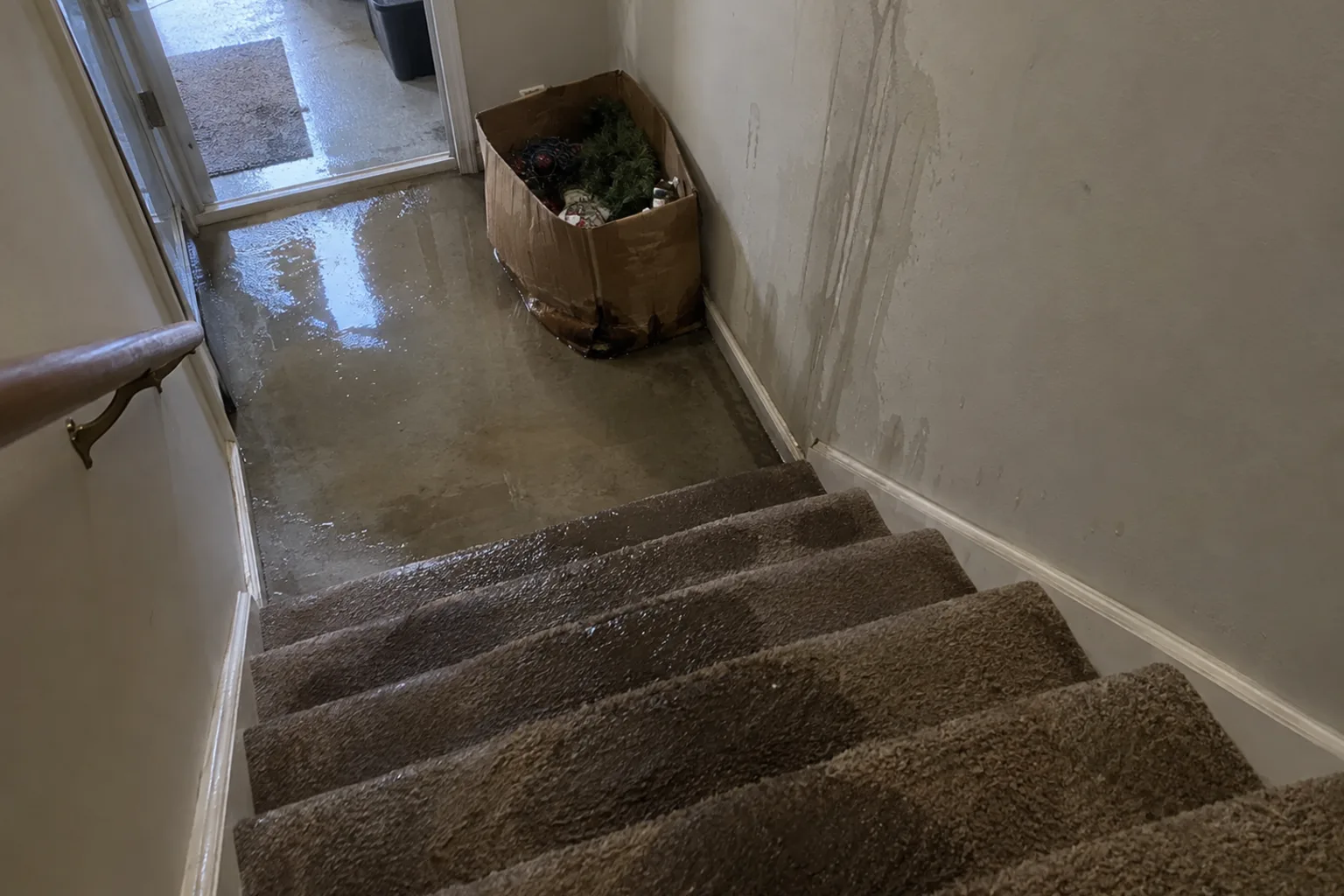
Water damage restoration in Columbus, Ohio
Fast response, careful drying, and clear documentation so your property can get back to normal with fewer headaches.
Immediate priorities
Learn more about our Columbus water damage referral service on the Columbus Water Damage home page. When water gets into drywall, flooring, or insulation, the damage spreads quickly. Our team at Columbus Water Damage handles water damage restoration in Columbus, Ohio with an approach that starts with safety and ends with a verifiable dry-out, not a quick surface cleanup.
We respond to common local scenarios like burst supply lines in winter, leaking water heaters, overflowing tubs, and storm-related seepage. In older housing pockets around Clintonville and parts of the University District, we often see water travel through layered assemblies—plaster, lath, and multiple floor layers—that hide moisture. In areas with slab-on-grade construction, trapped moisture can sit under flooring and lead to odor and swelling if it is not measured and dried correctly.
If you are coordinating multiple needs after a loss, it can help to start with a single point of contact. Many customers begin by describing what happened and sharing photos, and we take it from there. You can also get a quick overview of how our team approaches water damage in Columbus and what information helps us triage your situation.
Included restoration work
We use moisture meters and thermal imaging where appropriate to find wet materials beyond what you can see, then document readings so the drying plan is based on data.
We set up air movers, dehumidifiers, and containment when needed to keep drying targeted and reduce cross-contamination between affected and unaffected areas.
Hardwood, drywall, plaster, carpet pad, and insulation all dry differently. We choose methods based on how water moved and what the assembly can handle.
Cords, equipment placement, and access routes are planned so you can still move through the home or business as safely as possible during drying.
You receive a written scope of work, photos, and drying documentation that can support an insurance claim or property management file.
If conditions suggest elevated microbial risk, we address it with appropriate containment, cleaning, and treatments based on what we find on site.
Restoration priorities
Effective water damage restoration is a controlled process. The goal is to stop water intrusion, remove unsalvageable materials, dry what can be dried, and leave the structure in a condition that is ready for repairs.
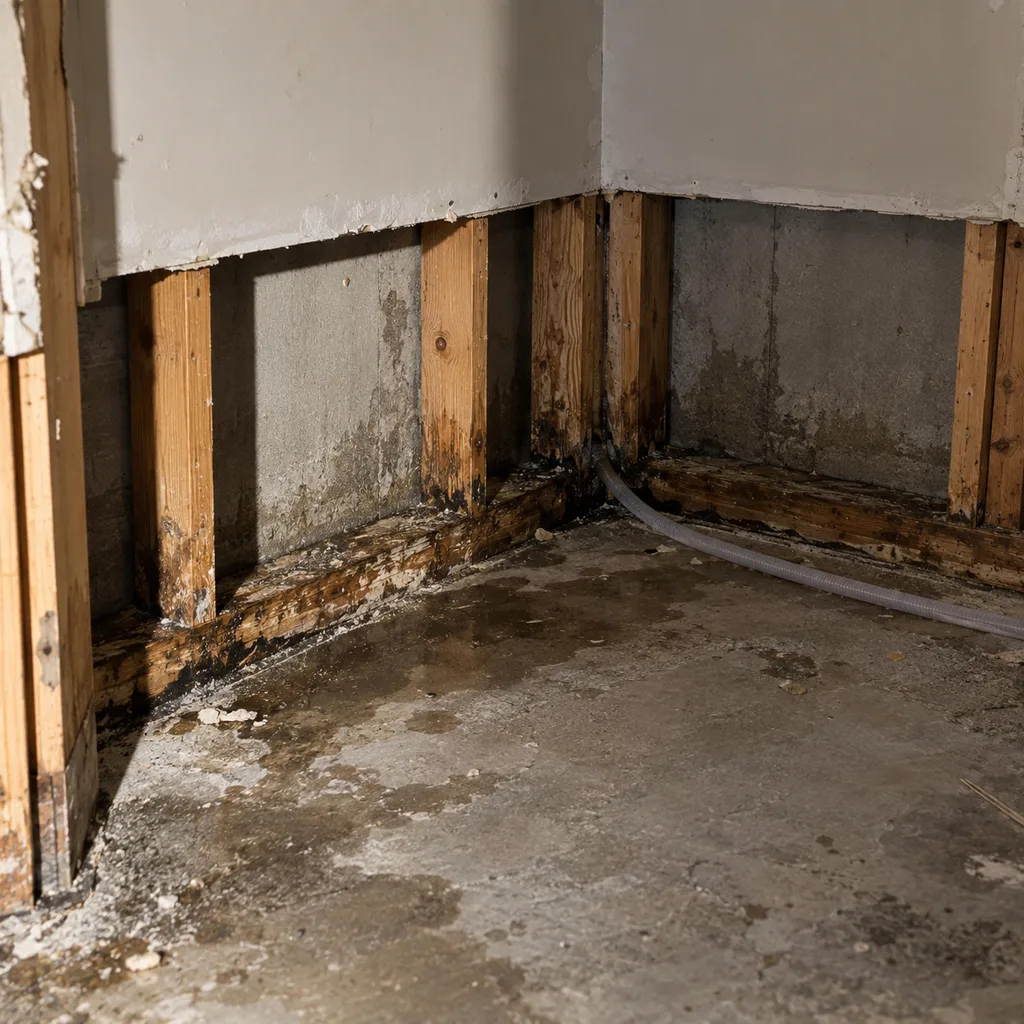
In Columbus, time matters because moisture can migrate into wall cavities, under baseboards, and into subfloors, especially after supply-line leaks that keep feeding water until the valve is shut off. Even if the visible water looks minor, hidden moisture can keep humidity elevated and create odor or warping.
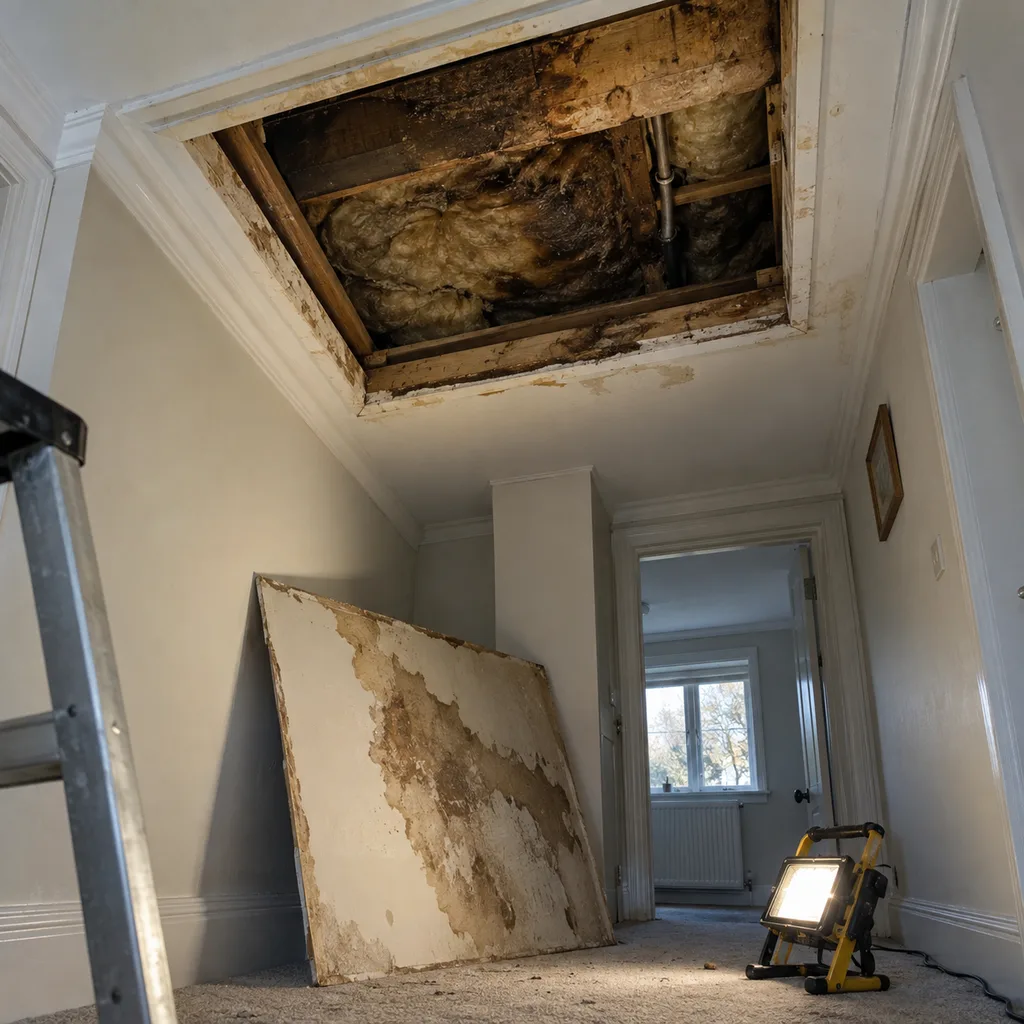
We start with a safety check—electrical hazards, slip risks, and potential contamination—then perform moisture mapping to define the affected footprint. Water is extracted first, then we set drying equipment and monitor progress with repeat readings. If demolition is necessary, we keep it minimal and purposeful, removing only what cannot be dried or cleaned.
If you are dealing with active water entry, the first priority is always to stop the source if it is safe to do so, then protect valuables and limit foot traffic through wet areas until the assessment is complete.
Restoration process
We gather the basic loss details, inspect affected rooms, check for safety issues, and identify the category of water—clean, gray, or contaminated—to set the right handling protocols.
We take moisture readings in surfaces and surrounding materials to define the drying boundary, then document conditions with notes and photos.
Standing water is extracted. If materials cannot be dried or cleaned safely, such as saturated insulation or badly compromised drywall, we remove them in a contained, organized way.
We place dehumidifiers, air movers, and specialty drying tools based on the structure and materials, then monitor with repeat readings until targets are met.
We clean affected areas as appropriate for the water type and condition, address odor sources, and provide the final documentation needed to move into repairs.
Typical project range
Water damage restoration in Columbus typically ranges from about $1,200 to $6,500+, with small single-room extraction and drying at the low end and multi-room structural drying with demolition, cleaning, and extended monitoring at the high end.
Your final cost depends on how far moisture traveled—walls, subfloor, or cabinets—the category of water, how long materials stayed wet, access constraints, and how much removal is required to dry safely. The exact scope and price are confirmed after an on-site inspection and moisture mapping.
Documented field work
Homeowner experiences
“A supply line failed while we were away and water ran into the kitchen and down into the basement. They documented everything, explained what had to be removed, and kept checking moisture until it was truly dry. The jobsite stayed tidy the whole time.”
“What I appreciated most was the communication. I knew what the plan was each day, and the drying logs made the insurance conversations much easier.”
Common questions
You should start assessment and drying as soon as you can, ideally the same day, because moisture wicks into drywall, baseboards, and subfloors quickly. In Columbus homes with finished basements or layered flooring, water can spread beyond the visible wet spot, which is why moisture mapping is important even when the surface looks manageable.
Yes, we can provide the documentation insurers typically ask for, including photos, a written scope, and drying records. Coverage varies by policy and cause of loss, but having clear moisture readings and a consistent timeline of work helps support the claim process.
Clean water comes from sanitary sources like a supply line, while contaminated water can include sewage backups or water that has traveled through unsanitary areas. The category affects containment, PPE, cleaning steps, and which materials can be salvaged, because some porous materials are not safe to dry and keep.
Sometimes, yes, if the water exposure is limited and drying begins quickly, but it depends on how much water got under the boards and how the floor was installed. We use moisture readings to determine whether targeted drying is likely to work or whether sections should be removed to prevent ongoing cupping, swelling, or odor.
Most structural drying takes several days, but the timeline depends on the size of the affected area, the materials involved, and initial saturation levels. We monitor progress with repeat moisture readings, and equipment stays in place until the structure meets appropriate dry standards for rebuild work.
Stop the water source if it is safe, shut off power to affected areas if there is any risk of electrical contact, and move small valuables out of wet zones. Avoid running HVAC if it is pulling humid air through the structure, and avoid disturbing suspected contaminated water; we can advise next steps once we know the source and affected rooms.
Emergency water response
Tell us what happened, what rooms are affected, and whether the water source is stopped. We will respond with a clear plan for inspection, drying, and documentation so you can move forward confidently.