Inspection that looks beyond the stain
We check adjacent rooms and likely moisture pathways, because mold often follows airflow and hidden dampness, not the most obvious spot.
Serving Columbus & surrounding areas
24/7 Emergency Response
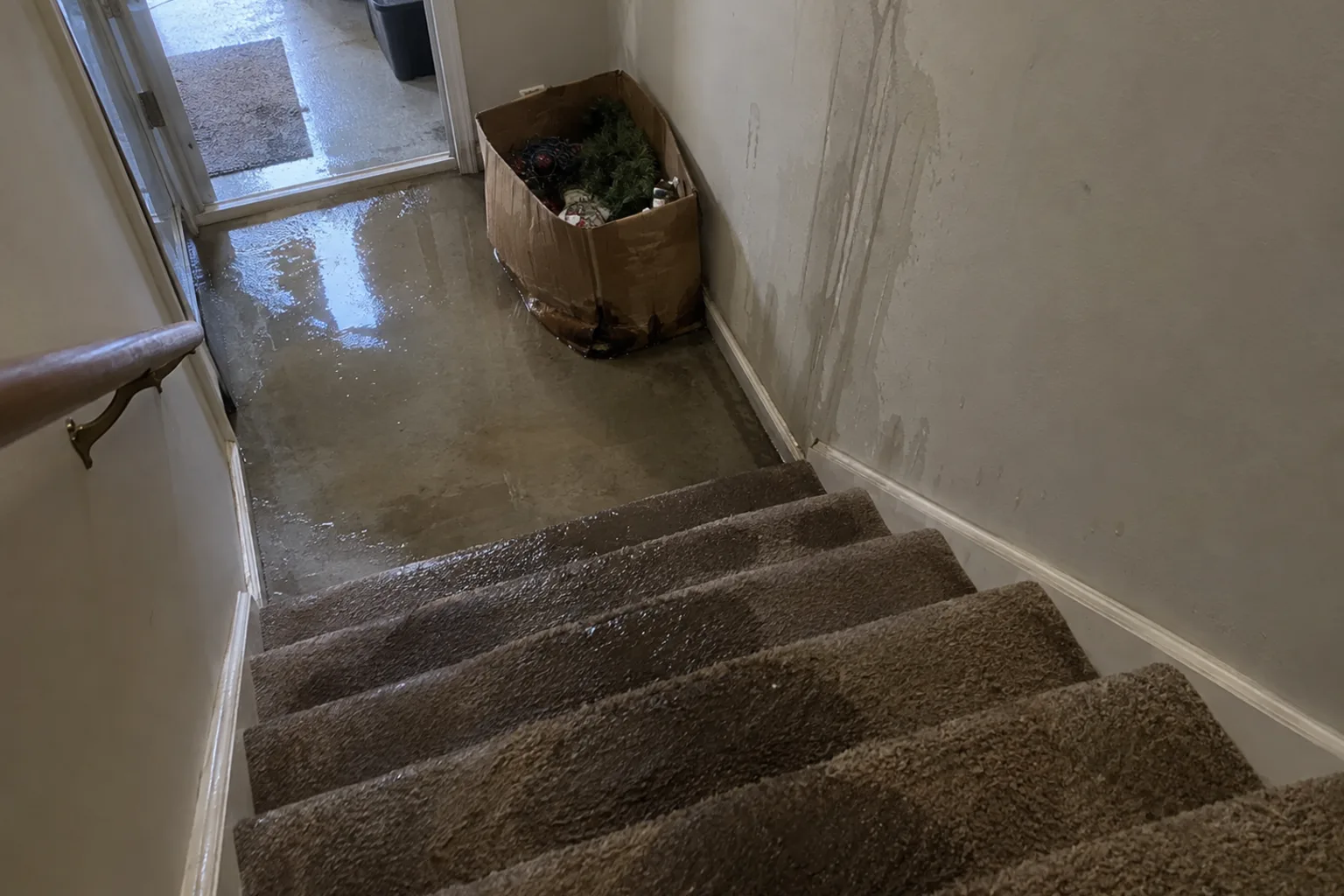
Mold removal in Columbus, Ohio
Get a clear inspection, a written plan, and careful containment so mold is removed safely and the cause is addressed, not covered up.
Immediate priorities
If you are searching for mold removal Columbus Ohio, start by treating it as two problems: the visible growth and the moisture that fed it. Cleaning a spot without fixing the damp source often means the mold returns, sometimes behind drywall or under flooring where it is harder to notice.
Learn more about our Columbus water damage referral service on the Columbus Water Damage home page. Columbus Water Damage handles mold removal in Columbus with an inspection-first approach. We look for where moisture is getting in—leaks, past water events, wet basements, high humidity, or poor ventilation—and then build a plan that matches what we find. In Columbus, mold shows up often after heavy rain events, sump pump failures, or slow plumbing leaks, and it is common to see growth in basements, crawl spaces, bathrooms, around windows, and in attics near roof penetrations.
If you smell a persistent musty odor, see discoloration that keeps coming back, or have had a recent water issue, the best next step is an on-site assessment. It helps you avoid guessing about what can be cleaned, what should be removed, and how to keep spores from spreading during the work.
Included restoration work
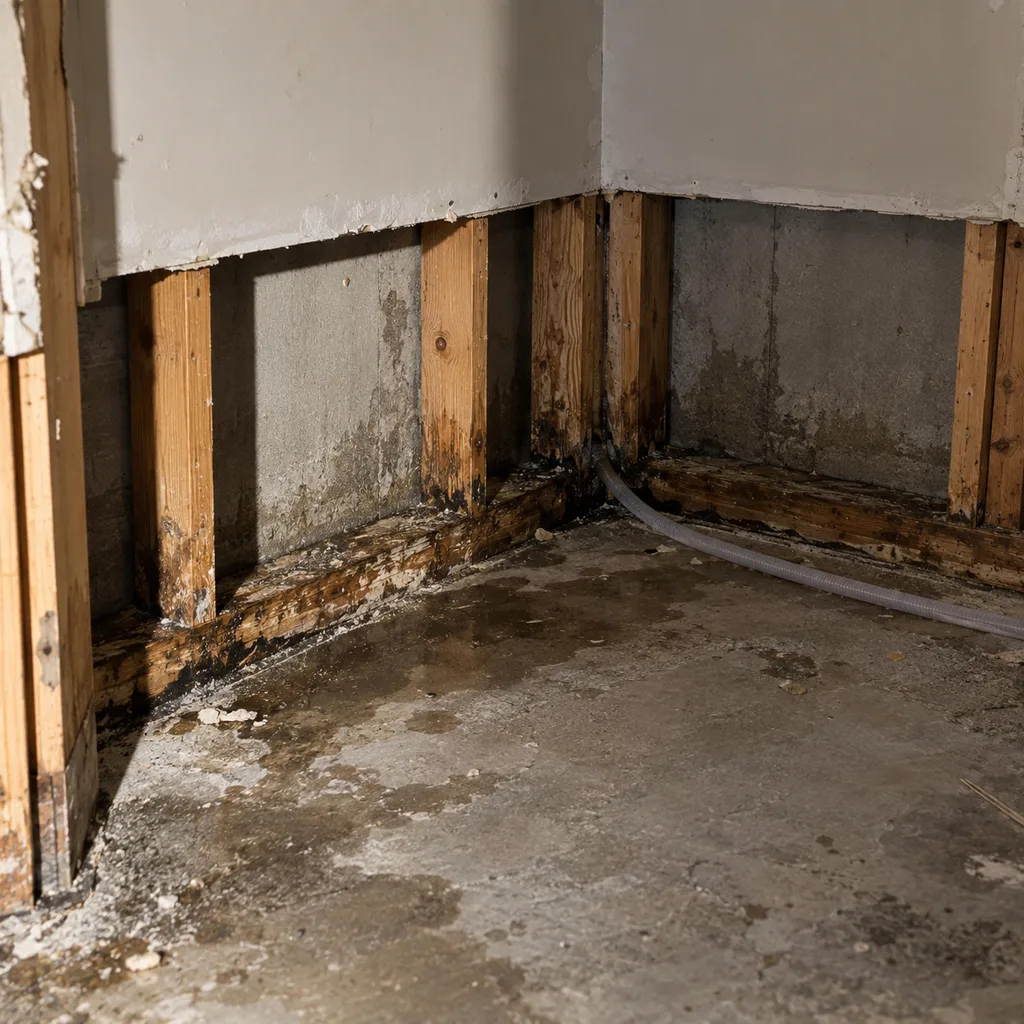
Effective mold removal is controlled demolition plus detailed cleaning, done under containment so spores do not migrate to clean areas. When removal is needed, materials that cannot be reliably cleaned, such as porous drywall, insulation, and some ceiling tiles, are typically cut out and bagged while the work area is under negative pressure.
We commonly use:
A key difference between professional Columbus mold removal and a simple surface cleaning is the work sequence. We remove the source material safely, clean remaining surfaces, and verify the area is dry and stable before rebuild plans are discussed. If you are also dealing with a recent water loss, our team can coordinate the timeline with water damage restoration so drying and mold control do not work against each other.
Crew standards
We check adjacent rooms and likely moisture pathways, because mold often follows airflow and hidden dampness, not the most obvious spot.
You get a written plan describing containment, what materials will be removed, what will be cleaned, and how the area will be dried and monitored.
Proper isolation, filtration, and careful debris handling help limit cross-contamination to hallways, HVAC returns, and nearby rooms.
Mold removal only sticks if moisture is addressed. We point out practical fixes that prevent recurrence, such as ventilation improvements or targeted repairs.
You will know what we found, what we did, and what to watch for after completion, especially in basements and other humidity-prone areas.
Restoration process
We inspect the suspected area, look for hidden moisture behind trim, around plumbing, and under flooring when accessible, and identify likely sources such as slow leaks, condensation, or past water intrusion.
We isolate the work zone with poly barriers and set up HEPA filtration and negative air when needed. This reduces the chance that disturbance during removal spreads spores to other rooms.
Porous materials that cannot be reliably cleaned are removed in a controlled way. Debris is bagged and handled to minimize dust and tracking through the home.
We HEPA vacuum and clean remaining structural components, including framing, sheathing, and subfloor, and apply appropriate treatment based on the material and conditions present.
We confirm the area is dry enough to discourage regrowth and outline what comes next, whether that is minor repairs, rebuilding finishes, or changes such as dehumidification and ventilation.
Typical project range
Mold removal in Columbus typically ranges from about $750 to $3,500 for many residential projects, with small, localized jobs on the lower end and larger or multi-room remediation reaching $6,000+ when demolition, containment, and drying are extensive.
Final cost depends on the square footage affected, where the mold is located—such as an attic, basement, or behind cabinets—how much porous material must be removed, access, and whether moisture control or drying equipment is needed. The exact price is confirmed after an on-site inspection and a written scope.
Contained field work
Common questions
Start time depends on workload and the severity of the situation, but mold projects are typically scheduled quickly because active growth can spread when moisture is present. After an on-site assessment, we can give you a realistic start date and explain what to do in the meantime, such as limiting airflow into the affected room and avoiding disturbing the area.
Many mold removal jobs can be completed while occupants remain in the home, as long as the work area can be properly contained and isolated. If the affected area connects directly to sleeping spaces, if HVAC circulation cannot be controlled, or if there is widespread contamination, we may recommend temporary adjustments during the highest-disturbance phases.
We focus on mold remediation of building materials and the conditions that cause growth; duct cleaning is a specialized scope that depends on what is found and the type of system. If mold is suspected in or near returns and supply runs, we will explain the risks and practical next steps based on access and the level of contamination observed.
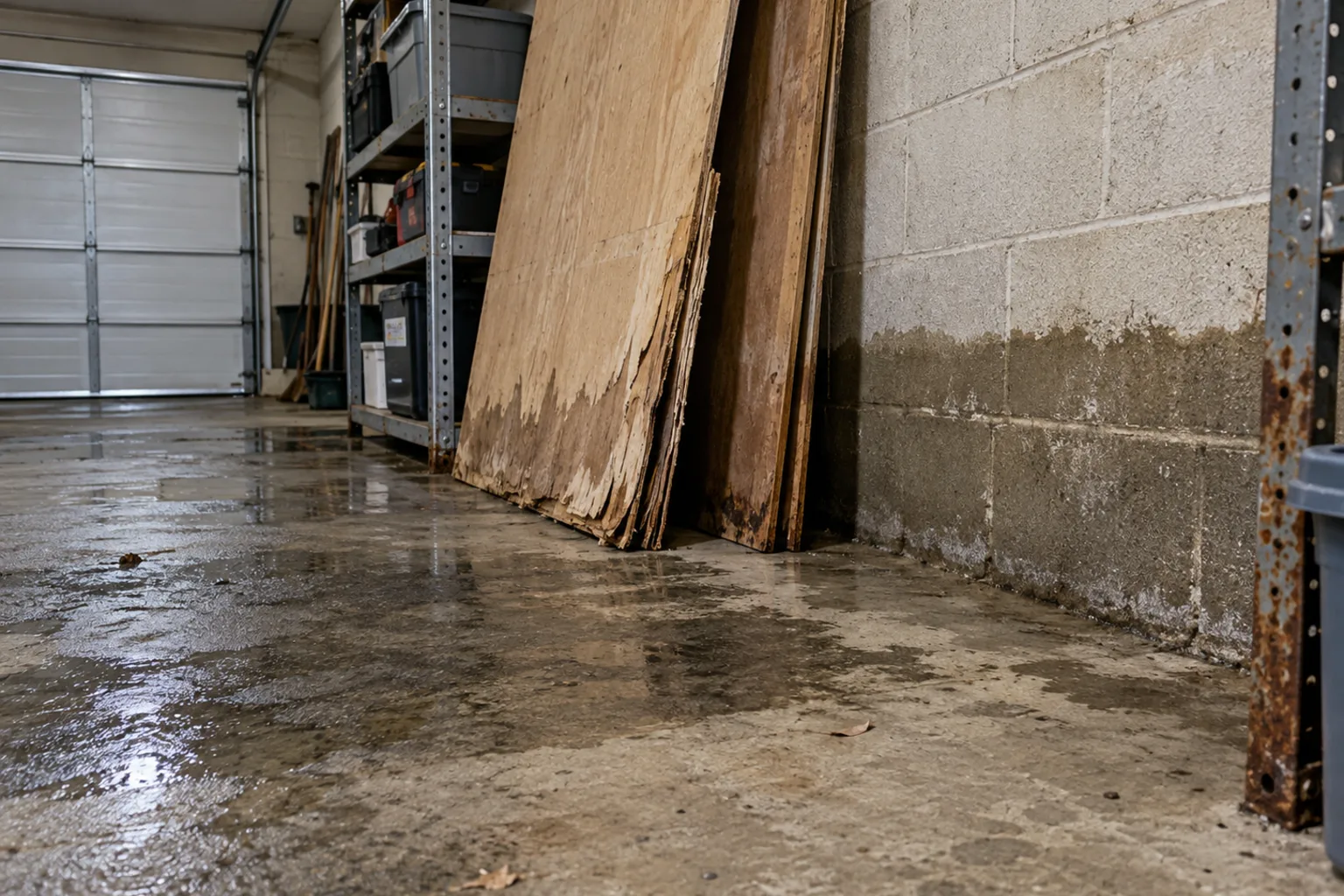
Recurring basement mold usually means moisture is still present, often from humidity, minor seepage after heavy rain, condensation on cool surfaces, or a past leak that never fully dried. The lasting fix is controlling moisture with targeted drying, ventilation or dehumidification, and addressing entry points or plumbing issues rather than repeatedly wiping the same spots.
Yes, and that is a common scenario because mold can grow out of sight when moisture is trapped. Professional mold removal typically involves opening the area to confirm the extent, removing affected porous materials, HEPA cleaning remaining structure, and drying until moisture readings are acceptable for repairs.
We can provide documentation of what was observed, the scope performed, and photos when appropriate, which can help when a mold situation is tied to a covered water event. Coverage varies by policy and cause of loss, so we focus on clear reporting and a well-defined scope that supports the facts of the job.
Mold inspection and removal
Describe what you are seeing—or smelling—and where it is in the home. We will schedule an inspection in Columbus, explain what needs to be removed versus cleaned, and give you a written scope with next steps to prevent it from returning.